
Autoclaved Aerated Concrete (AAC) blocks are taking the construction world by storm—and for good reason. Lightweight, energy-efficient, and eco-friendly, these blocks are the go-to choice for modern builders looking to cut costs, reduce carbon footprints, and meet green building standards. With the global construction industry booming and sustainability at the forefront, starting an AAC block business isn’t just a smart move—it’s a timely one. But where do you begin? This no-jargon guide breaks down the process into simple, actionable steps to help you launch and grow a successful venture.
Step 1: Do Your Market Homework (Don’t Skip This!)
Before you invest a penny, figure out if there’s real demand for your product. Start by looking around your local area: Are new housing projects popping up? Do contractors complain about hard-to-find sustainable building materials? Talk to developers, architects, and even government officials—many regions prioritize green construction for public infrastructure.
Next, scope out the competition. What are other AAC block suppliers offering? Are their prices too high? Do they only sell standard sizes, leaving custom needs unmet? For example, if most suppliers focus on residential projects, you could specialize in high-strength blocks for commercial buildings or pre-cut sizes for quick renovations. Also, check local building codes—you’ll need to make sure your blocks meet safety and sustainability standards (like LEED or regional green certifications) to avoid headaches later. Clink this link to read more.
Step 2: Draft a Business Plan That Actually Works
A business plan isn’t just paperwork—it’s your roadmap to success. Keep it simple, but cover the basics:
- Business structure: Will you go solo, partner with someone, or form an LLC?
- Finances: Estimate startup costs (land, machinery, raw materials, labor) and how you’ll fund them (savings, loans, or investors—many banks love sustainable construction businesses!).
- Pricing & sales: How much will you charge? (Look at competitors, but factor in your costs.) Will you sell directly to contractors, partner with building supply stores, or use online platforms?
- Marketing: How will people find you? Think trade shows, social media, or word-of-mouth from happy clients.
Step 3: Secure a Location & Permits (Dot the I’s and Cross the T’s)
Location is everything for an AAC block business. Pick a spot that’s easy to reach for raw material deliveries (sand, cement, lime) and close to construction hubs—this cuts down on transportation costs. You’ll need enough space for production lines, storage for raw materials and finished blocks, and a small office.
Then, tackle permits. You’ll need business registration, environmental clearances (AAC production uses autoclaves, so you’ll need to show you’re minimizing waste), and manufacturing certifications. Don’t rush this step—compliance keeps you out of legal trouble and builds trust with customers who care about sustainability.
Step 4: Invest in the Right Gear & Materials
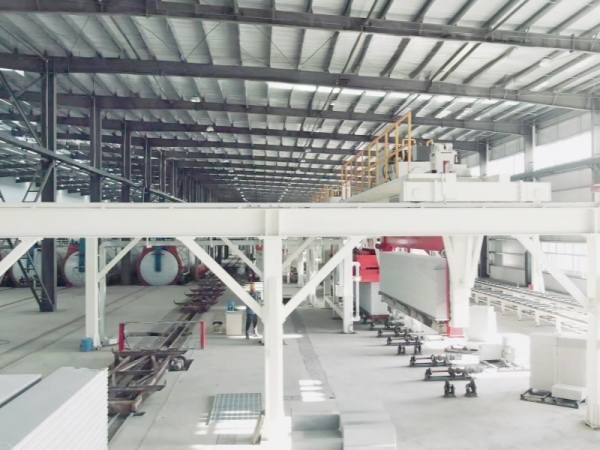
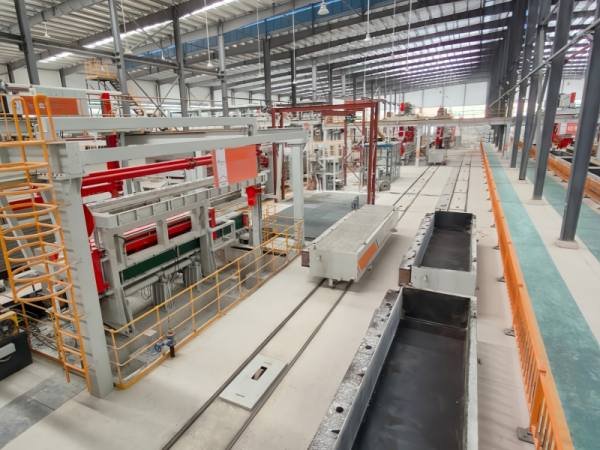
AAC block production isn’t rocket science, but you need reliable equipment. The core tools include mixing machines, molds, cutting tools, autoclaves (for curing the blocks), and packaging equipment. You can buy new machinery for peace of mind or save money with used gear—just make sure it’s in good shape and comes with maintenance support.
For raw materials, stick to local suppliers when possible (it’s cheaper and more sustainable!). You’ll need cement, lime, sand, gypsum, and aluminum powder (the secret ingredient that makes the blocks lightweight). Build relationships with trusted vendors—consistent quality materials mean consistent quality blocks.
Don’t forget your team! Train your workers to operate the machinery safely and spot quality issues. Skilled staff will keep production running smoothly and reduce costly downtime.
Step 5: Prioritize Quality (Your Reputation Depends On It)
In the construction industry, trust is everything. Builders need to know your blocks will hold up—so set up simple quality checks. Test raw materials before mixing, and inspect finished blocks for strength, size, and insulation. You can even get third-party certifications (like ASTM) to prove your blocks meet industry standards—this will make contractors choose you over competitors.
Step 6: Market & Distribute to Grow Your Business
You’ve got great blocks—now let people know about them! Start by building relationships with local contractors and developers—attend trade shows, drop off samples, and offer competitive pricing for first-time clients. Create a basic website showcasing your products, sustainability benefits, and past projects (even small ones!). Use social media to share behind-the-scenes videos of your plant or customer testimonials—construction pros love seeing real results.
As you grow, expand your reach. Partner with more distributors, offer delivery to neighboring regions, or even explore export opportunities if local demand is strong. Loyalty programs for repeat clients (like discounts on bulk orders) can also help keep business steady.
Starting an AAC block business takes effort, but the rewards are worth it. You’ll be part of the sustainable construction movement while building a profitable enterprise. The key? Stay flexible—keep an eye on market trends, listen to your customers, and adapt as needed. With the right planning and a focus on quality, your AAC block business can thrive for years to come. Check out www.aacblockmanufacturingplant.com to find more AAC block solutions.
